What can we learn from major brands that have survived the crisis?

Some of the world's biggest brands didn't start out exactly where they are today. What do tractors have to do with luxury sports cars? How does a company that makes rubber boots make mobile phones? The secret of many iconic companies is that they adapted to changing markets. What should we learn from some of the most surprising brand transformations?
LEGO: From wooden toys to global entertainment
LEGO was originally a small wooden toy company founded in 1932. As plastic became increasingly popular, the company adapted and developed the current system of interlocking bricks. Over time, LEGO has expanded into theme parks, video games, and movies, demonstrating how an idea can typically become a billion-dollar empire.

Lesson: Innovations in your industry can ensure that a brand remains new and relevant across generations.
Herm's: From equestrian equipment to high fashion
Did you know that one of the most luxurious fashion houses began with saddles and horse harnesses? Founded in 1837, Herm's initially served aristocrats seeking high-quality leather riding equipment. The market developed further with the advent of transportation. Instead of resisting change, Herm's expanded into handbags, silk scarves, and eventually high fashion. Today, it stands for timeless elegance and exclusivity.

Lesson: A solid foundation in craftsmanship could be the key to reinventing a brand in brand-new industries.
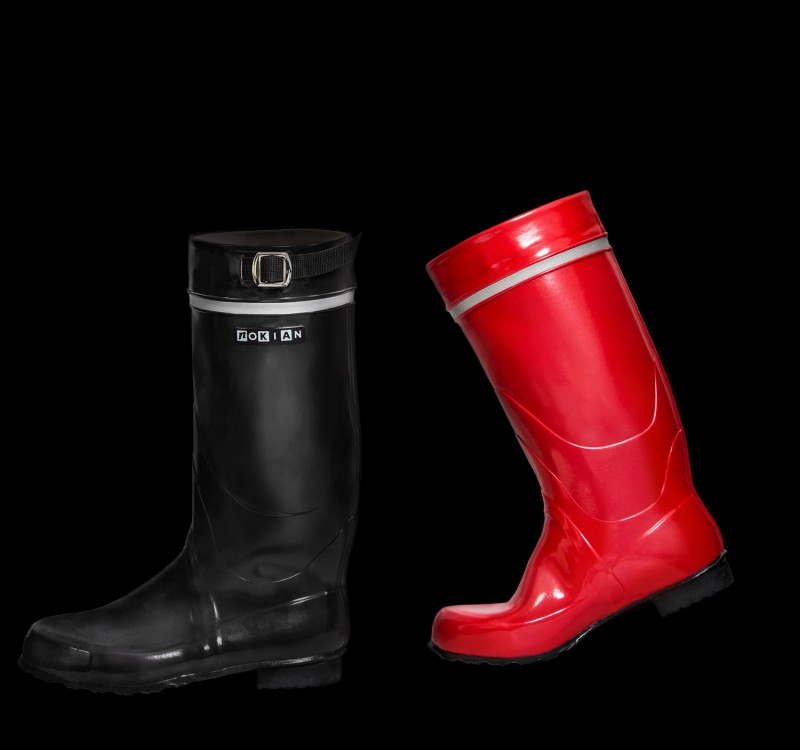
Nokia: From rubber boots to mobile phones
Before Nokia became synonymous with indestructible mobile phones, the company manufactured rubber boots and tires. Founded in 1865, the company initially worked in paper and electronic devices before focusing on telecommunications. While Nokia has lost its leading position in mobile phones, it remains a major player in 5G and network technologies.

Lesson: When you adapt to brand-new technologies, a simple product can become a worldwide phenomenon.
Lamborghini: From tractor to luxury sports car
Lamborghini has a legendary history. Ferruccio Lamborghini initially designed tractors, but after a dispute with Enzo Ferrari over the quality of his automobile, he developed his own. The result? One of the most famous luxury car manufacturers in history. Lamborghini began by producing agricultural equipment and later manufactured some of the world's most sought-after sports cars.

Lesson: Passion and the wish to challenge industry leaders could lead to extraordinary success.
Philips: From light bulbs to medical technology
Philips began manufacturing carbon fiber light bulbs in 1891. Later, the company expanded into consumer electronics, introducing classics like radios and cassette players. The largest expansion, however, was into the medical field, where Philips currently focuses on modern health technology such as MRI scanners and imaging solutions.

Lesson: Diversification could allow a company to remain relevant across industries and generations.
In conclusion
ChatGPT is a research staff for UX developers, offering idea generation/UX writing and suggestions for accessibility. However, it lacks genuine human intuition, creativity, and emotional intelligence. The best approach? Use AI as a support tool, but prioritize your personal expertise. How does AI fit into your UX design workflow? Would you trust it to make critical decisions, or is it an invaluable assistant?